
Elevating Lift Maintenance: Best Practices for Lift Businesses

Introduction:

Lift maintenance is critical for ensuring safety, reliability, and operational efficiency in residential and commercial buildings. As lift systems become more advanced, businesses must adopt proactive and technology-driven maintenance strategies to stay competitive.

Lift businesses that implement best practices in lift maintenance can reduce downtime, extend equipment lifespan, and significantly improve customer satisfaction.

This blog covers the key best practices, role of technology, and benefits of implementing a structured lift maintenance strategy.

Importance of Regular Lift Maintenance

Regular lift maintenance ensures safety, reduces breakdowns, extends equipment lifespan, and improves operational efficiency. Routine inspections help detect issues early, maintain safety compliance, and reduce wear and tear on critical components.

Regular maintenance schedules allow early detection of issues and ensure the smooth and reliable operation of lift systems across residential and commercial buildings.

Key Best Practices for Lift Maintenance

Best practices include preventive maintenance, regular inspections, proper documentation, use of technology, and skilled technician training.

  • Preventive Maintenance Scheduling: Schedule routine inspections monthly or quarterly, replace worn-out components proactively, and avoid reactive maintenance. Preventive maintenance significantly reduces downtime and improves system reliability.
  • Regular Inspections and Safety Checks: Inspect mechanical and electrical components, check cables, doors, and emergency systems, and ensure compliance with safety regulations. Lifts should be inspected regularly to maintain safety and operational standards.
  • Maintain Detailed Service Records: Track maintenance history, record repairs and replacements, and identify recurring issues. Keeping detailed maintenance logs helps identify patterns and improve long-term lift performance.
  • Use of Advanced Technology: Leverage IoT sensors for real-time monitoring, predictive maintenance using AI, and cloud-based service management. Predictive maintenance enables early fault detection and reduces unexpected breakdowns.
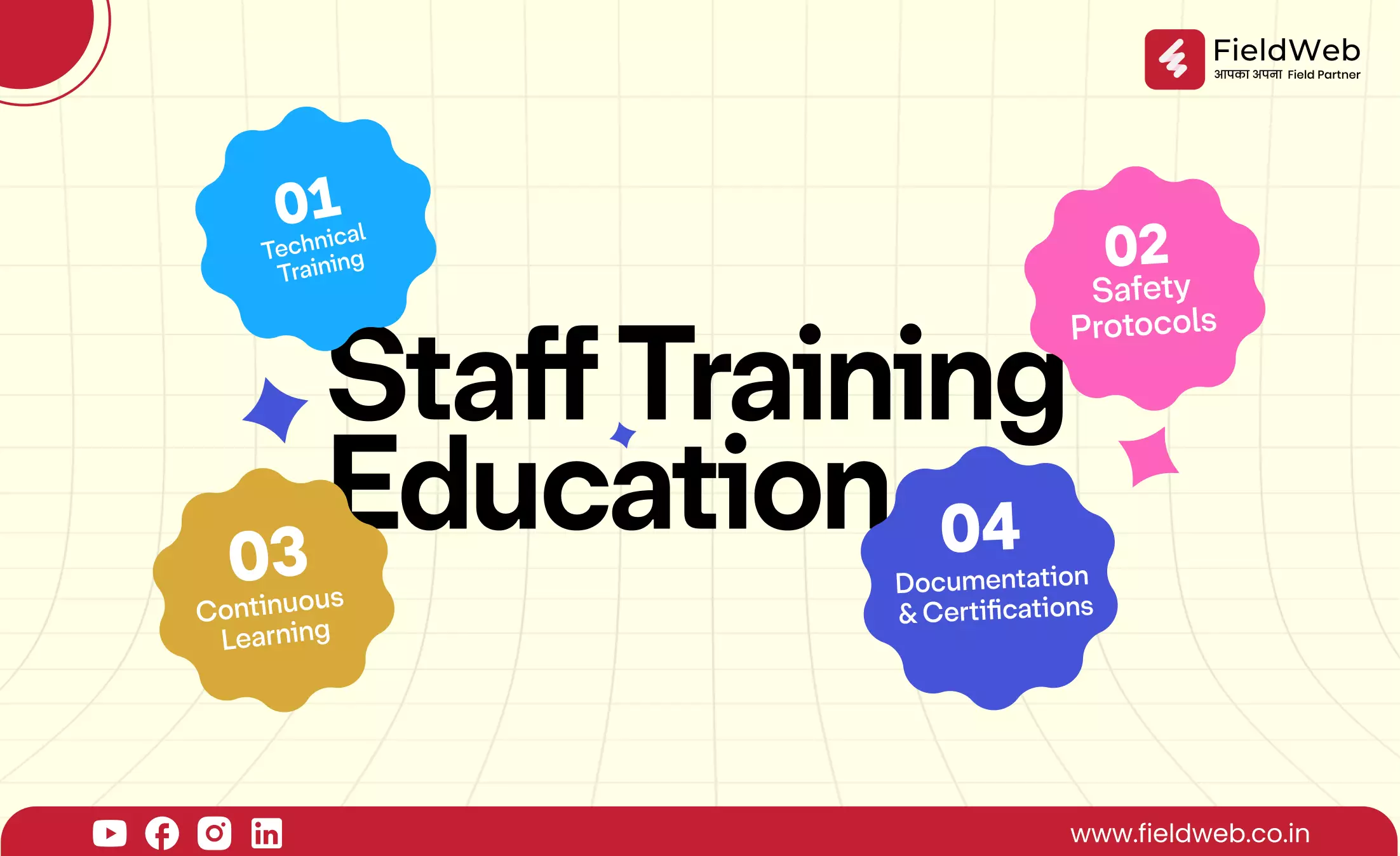
  • Technician Training and Skill Development: Train technicians on the latest technologies, improve first-time fix rates, and ensure adherence to safety protocols. Skilled technicians improve efficiency and reduce repeat service visits.

Role of Technology in Lift Maintenance

Technology improves lift maintenance through automation, real-time monitoring, predictive analytics, and better communication between field teams and management.

Real-time monitoring tracks lift performance remotely, automated scheduling optimizes service visits, and mobile apps enable technicians to update tasks instantly on-site. Cloud-based systems improve dispatching, analytics, and overall operational efficiency.

Benefits of Implementing Best Practices

Implementing best practices reduces downtime, lowers costs, improves safety, and enhances customer satisfaction.
  • Reduced Downtime: Faster issue detection and prevention of system failures. Predictive and preventive maintenance strategies minimize unexpected breakdowns.
  • Cost Savings: Avoid major repairs and optimize resource usage. Efficient maintenance can significantly reduce operational costs over time.
  • Improved Safety: Ensure compliance with regulations and reduce accident risks, protecting both passengers and your business reputation.
  • Better Customer Satisfaction: Reliable lift performance, faster response times, and transparent communication improve customer retention and trust.

Challenges Without Proper Lift Maintenance

Without proper maintenance, lift businesses face frequent breakdowns, safety risks, high costs, and customer dissatisfaction.

  • Frequent Breakdowns: Reactive maintenance leads to unexpected failures and increased operational disruption.
  • Higher Costs: Emergency repairs are expensive and strain operational budgets.
  • Safety Risks: Lack of regular inspections increases the risk of accidents and regulatory non-compliance.
  • Poor Customer Experience: Delays and service issues reduce trust and damage business reputation.

Lack of proper maintenance increases downtime and reduces overall operational efficiency across lift operations.
How FSM Software Enhances Lift Maintenance

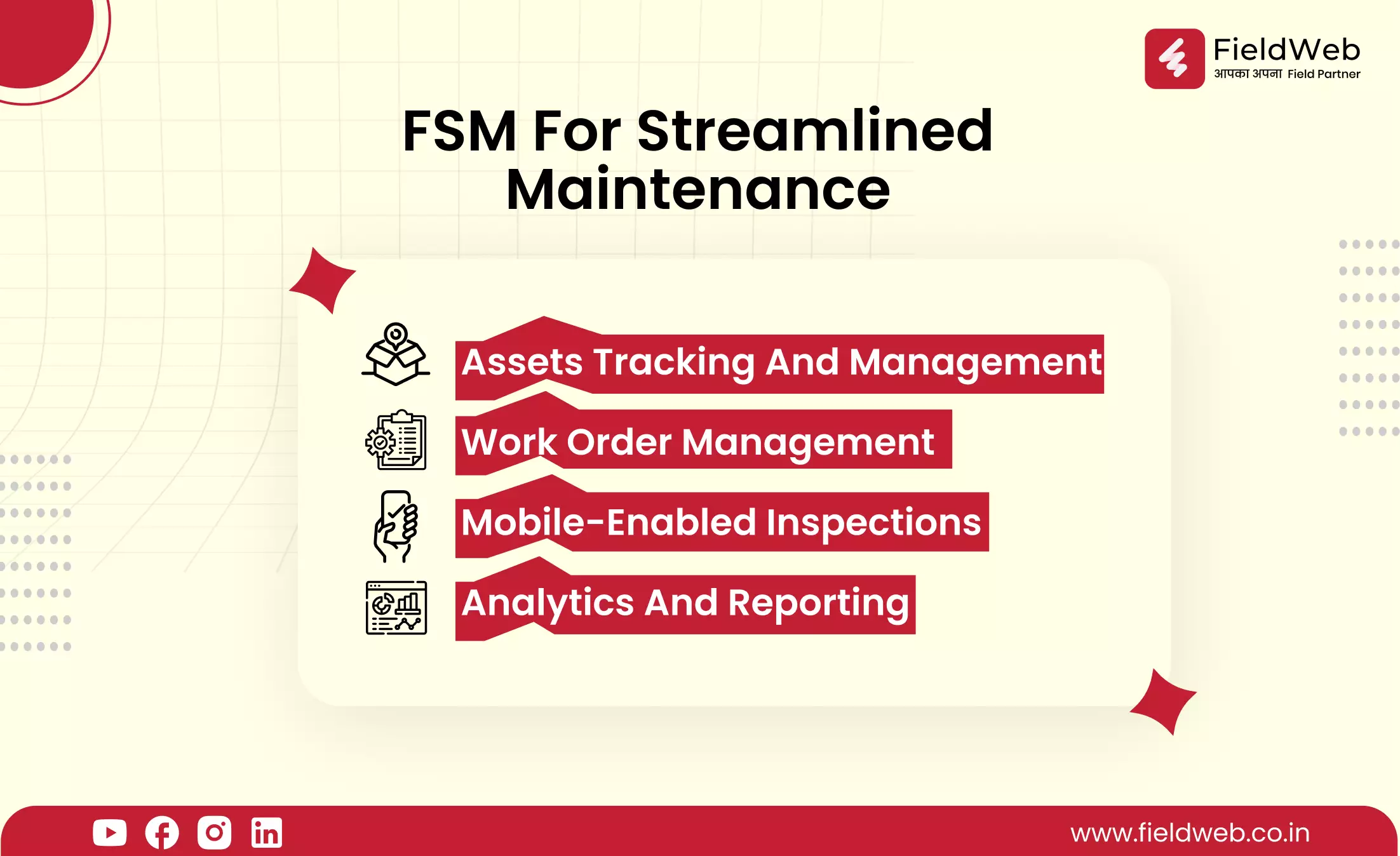
FSM software improves lift and elevator maintenance by automating scheduling, tracking technicians, managing inventory, and enabling real-time monitoring.

  • Smart Scheduling and Dispatch: Assign jobs efficiently based on technician skill and availability, ensuring faster response times and optimized field operations.
  • Technician Tracking: Monitor your field workforce in real-time, improving accountability and operational visibility across all service locations.
  • Inventory Management: Ensure spare parts availability to reduce delays and keep maintenance on schedule without last-minute supply issues.
  • Real-Time Reporting: Access data-driven insights to improve decision-making, track KPIs, and continuously improve maintenance performance. FieldWeb enables lift businesses to digitize operations and deliver superior service at scale.

FAQs on Lift Maintenance Best Practices

  • What is lift maintenance best practice? Lift maintenance best practices include preventive maintenance, regular inspections, proper documentation, and the use of advanced technologies such as IoT sensors and FSM software.
  • How often should lifts be serviced? Passenger lifts should typically be inspected every 6 months, while usage levels and environmental conditions may require more frequent checks.
  • How does predictive maintenance help lift businesses? It helps detect issues early, reduce downtime, and improve operational efficiency using real-time data and analytics.
  • Can FSM software improve lift maintenance operations? Yes, FSM software automates scheduling, improves technician productivity, manages inventory, and enhances overall service efficiency.

Conclusion

Adopting best practices in lift maintenance is essential for ensuring safety, efficiency, and long-term performance. By combining preventive strategies with advanced technologies like IoT and FSM software, lift businesses can significantly reduce downtime and improve service quality.

For platforms like FieldWeb, lift service providers can digitize operations, optimize maintenance workflows, and deliver superior customer experiences at scale.
Advice delivered to your inbox

Over 7,500 contractors use FieldWeb for their businesses.

  • Switching to FieldWeb increased average revenue by 21% in their first two years.
  • Digitise your field service business
  • Increase your monthly revenue by 45%

Related Post

HVAC Business

Top 5 Benefits of Implementing FSM Software for HVAC Businesses

Proper management of field service operations is crucial for HVAC businesses to thrive in a competitive market. In today's digital age, Field Service Management (FSM) software has emerged as a game-changer for streamlining processes, enhancing productivity, and improving customer satisfaction.

Learn More

Lift Business

Elevating Lift Maintenance: Best Practices for Lift Businesses

Lift maintenance is critical for ensuring safety, reliability, and operational efficiency in residential and commercial buildings. As lift systems become more advanced, businesses must adopt proactive and technology-driven maintenance strategies to stay competitive.

Learn More

CCTV Business

Enhancing CCTV Field Service Management

CCTV systems play a critical role in ensuring security and surveillance in various industries across the countries. To maintain the effectiveness of these systems, it is essential for CCTV businesses to implement efficient field service management strategies.

Learn More
CCTV Business Guide

The Ultimate CCTV Business Guide: From Start to Digital Success

In today's security-conscious world, the demand for closed-circuit television (CCTV) systems continues to soar. Whether you're an aspiring entrepreneur looking to enter the CCTV business or an existing operator aiming to expand your operations, this comprehensive guide will equip you with the knowledge and strategies to succeed.

Learn More